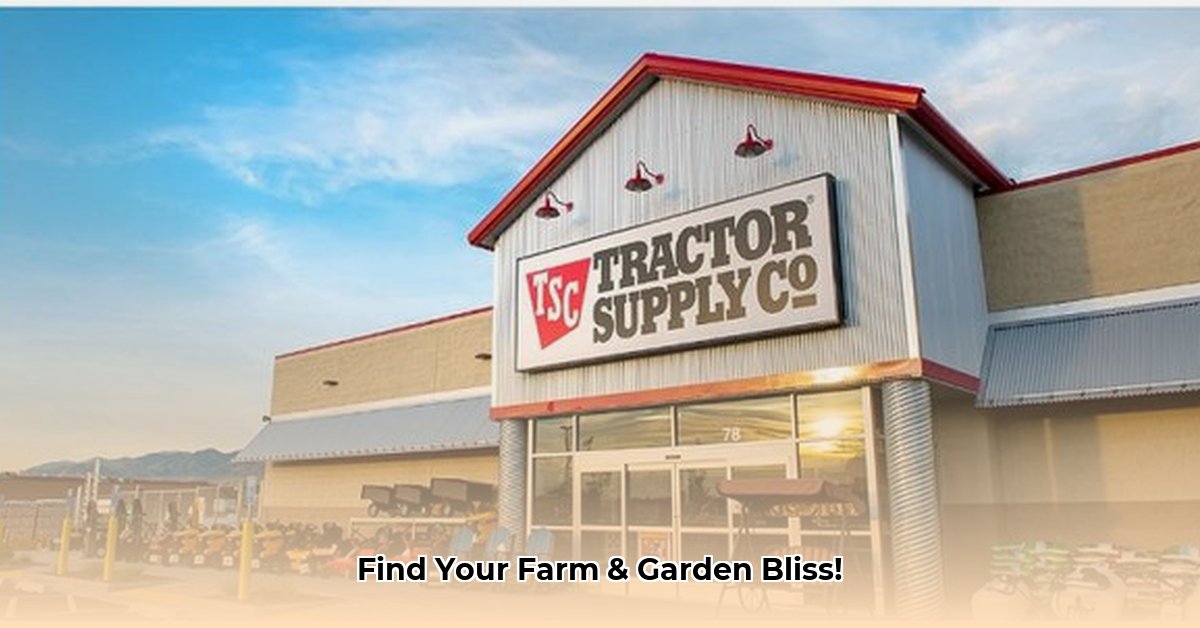
Tractor Supply Company (TSC) in Brownwood serves as a crucial resource for local farmers, ranchers, and home gardeners. This guide explores how TSC can support sustainable agricultural practices while highlighting areas for improvement in transparency and environmental responsibility. We'll provide actionable steps to help you make informed choices and contribute to a more sustainable future for Brownwood's agricultural landscape. For more information about the Brownwood location, visit the TSC Brownwood page.
Products & Services: A Comprehensive Overview
TSC Brownwood offers a broad range of products, catering to diverse needs. Livestock supplies include various feeds (some organic options are available), animal health products, and fencing materials. For gardening, you'll find seeds (including organic varieties), soil, fertilizers, tools, and irrigation systems. Lawn care essentials such as mowers and weed eaters are also readily available. While the store provides a one-stop shop for many needs, a significant limitation is the lack of detailed information regarding product sourcing and their overall environmental impact. This lack of transparency hinders informed consumer choices. This lack of information prevents a full assessment of the store’s contribution to sustainability.
Supporting Sustainable Agriculture: Small Choices, Big Impact
Sustainable agriculture practices require thoughtful choices at every stage. TSC Brownwood offers opportunities to incorporate these practices:
- Organic Selection: Choosing organic seeds and soil minimizes reliance on synthetic chemicals, improving soil health and reducing environmental harm. The availability of organic options at TSC gives consumers a beneficial choice.
- Water Conservation: Investing in water-efficient irrigation systems, such as drip irrigation or soaker hoses, significantly conserves water resources. Inquire about their availability at the store.
- Natural Pest Control: Explore natural pest control methods such as companion planting or beneficial insects, minimizing the use of harmful pesticides. TSC staff may offer guidance on these techniques.
- Responsible Feed Selection: Carefully compare organic and conventional livestock feeds, considering their nutritional value and environmental impact.
Actionable Tips for Sustainable Farming and Gardening
To effectively leverage TSC for sustainable practices:
- Engage TSC Staff: Consult with TSC staff for advice on composting techniques, natural pest control strategies, and efficient irrigation methods. Their local knowledge and expertise can prove invaluable.
- Compare Feed Options: Thoroughly compare the ingredients and sourcing information of different livestock feeds to make informed choices that align with your sustainability goals.
- Invest in Water-Wise Tools: Choose water-efficient irrigation tools like drip systems or soaker hoses to conserve water and reduce your environmental footprint. TSC can assist you in selecting appropriate equipment.
- Advocate for Transparency: Let TSC know that you value transparency regarding product sourcing and environmental impact. Encourage them to provide more detailed information about the sustainability of their supply chain.
Limitations & Areas for Improvement: A Call for Transparency
Despite the vast array of products, a critical area needing improvement is transparency. Detailed information on the sourcing and environmental impact of many products is currently unavailable. To enhance its contribution to sustainable agriculture, TSC should:
- Improve Labeling: Provide clear and comprehensive labeling that details the origin of products and their environmental footprint (e.g., carbon footprint, recycled materials used).
- Enhance Online Resources: Develop detailed online resources outlining their sustainability initiatives and supply chain practices. This will empower consumers to make more informed purchasing decisions.
- Engage Local Stakeholders: Collaborate with local farmers, organizations, and community leaders to develop actionable sustainability plans.
Conclusion: Building a Sustainable Future Together
TSC Brownwood possesses the potential to significantly contribute to a sustainable agricultural future within the community. While advancements in transparency and detailed product information are crucial, the store presently offers valuable resources for local farmers and gardeners. By addressing the identified limitations and embracing greater transparency, TSC can solidify its role as a key partner in fostering sustainable practices within Brownwood. Consumer engagement and proactive communication are integral to driving this positive change.